
The Naphthalene Tapes
part of Black Market
PUNTA Gallery, Sofia
10.06-11.07.2026single-channel video, 22:50 min
vintage wardrobe
acrylic on board
JVC TM-A140PN PVM
Clarisse Aïn
Gaia Vincensini
Slava George & Daniel Uranga
“Black Market” is, first and foremost, a response to the territory in which it takes shape. Located in the heart of Sofia’s Women’s Market, a crossroads where various forms of trade, exchange, and transaction unfold, Punta Gallery is embedded within a social and cultural fabric woven around a multitude of open-air stalls. This specific context, along with the many stories that emerge from it—gathered over the course of several stays between the seaside city of Varna and the winding streets of Sofia’s old town—became the starting point for a reflection on the informal economy, the circulation of goods and information, and the conditions that give rise to these alternative flows.
While the black market is, by its very nature, the stuff of fantasy—owing both to its opaque mechanisms and its clandestine character—it is above all the product of an economy that state authorities are unable to quantify, regulate, or even contain. Escaping the regulatory and fiscal restrictions imposed by governing powers, it constitutes a network of underground flows that free themselves from all forms of control and persist within a space of their own: a porous zone between illegality and fiction. Yet any economy deemed “informal” exists only in relation to an established and institutionalized framework, against which strategies of circumvention are developed. In this sense, these parallel currents are not external to the ultra-capitalist system; rather, they are an integral part of it and actively sustain it. Referring to this “black” or “hidden” economy, “Black Market” seeks more broadly to explore all forms of flows that circulate, swarm, and spread endemically across borders and outside official channels.
Curatorial text by Camille Velluet.
The exhibition is a result of the curatorial residency of Camille Velluet in Bulgaria in 2025 and 2026.
The true visibility of the world opens before an eye placed outside it. An alien eye.
In 2023, a painting attributed to Jackson Pollock was discovered in Bulgaria during an investigation into the trafficking of cultural objects. The painting was reportedly found in a bedroom wardrobe in the village of ███ ███████. When questioned the owner, a Bulgarian artist living in the outskirts of Sofia, stated that he did not know whether it was authentic. The work had not been reported missing and had no confirmed record in a Pollock catalogue. On the back of the painting a handwritten dedication in English, was found: “Dedicated to my very talented and dear friend Lauren Bacall, happy birthday.” The date written beneath the dedication, September 16, 1949, corresponds to the twenty-fifth birthday of the acclaimed American actress. The reverse of the painting also reportedly carries a signature and an official Romanian state seal connecting it to the private collection of publicly executed dictator Nicolae Ceaușescu.
According to the alleged provenance, the painting was kept in Ceaușescu’s strictly guarded personal collection until the final hours before his execution in 1989. In an attempt to prevent its confiscation, he is said to have entrusted it to General Nanu, a Romanian military associate. After Nanu’s death, the painting passed to his daughter, who married a Greek citizen and smuggled it to Crete. From there, it was allegedly stolen by traffickers and later moved into Bulgaria. A parallel report from an American partner flagged the case as being of interest to the CIA, after possible links appeared between Romanian state channels, Greek intermediaries, and private diplomatic or paramilitary networks active at the end of the Cold War.
The painting is speculated to be part of a sophisticated forgery operation built precisely on the absurdity of its own provenance. After its seizure in 2023 by a joint operation involving Bulgarian, Greek, and Romanian authorities, the painting was sent to the Bulgarian National Gallery for its authenticity to be examined at which point, the public trail of information ended.
The Naphthalene Tapes takes this unresolved case as the basis for a post-fictional experimental video work. It builds narrative on the border between professional documentation and speculative production, bringing together stitched CCTV footage, news broadcasts, real and fictional documents, found dashcam footage, and television material from the 1980s and 1990s Bulgarian television. These fragments produce a narrative through the viewer’s need to connect them: the human, all-too-human reflex of turning fragments into cause, intention, and conspiracy.
A seemingly mundane scene becomes unstable under the gaze of a spectator. Memory, both of media and of the individual, is susceptible to corruption, often leaving only a broken record. When left to rot, it reveals the seed of corruption that continues to affect the social field. Found footage recreates this fragmented experience of post-soviet collapse not as nostalgia, but as a method of perception. A product of an era marked by the loss of innocence for the digital medium, or perhaps by its finalisation: the moment when the image stopped appearing as neutral evidence and became a processed, compressed unstable surface.
The Naphthalene Tapes is situated between the essay film and analog horror and tightropes between fiction and documentary. It actively fictionalises real materials while presenting fictional materials through the language of evidence in a post-conspiratorial narrative of base paranoia, post-truth, acceleration, and the collapse of truth.
The exhibition was realised with financial support from the National Culture Fund, “Creating” programme, and Institut français de Bulgarie.
Press
 The Naphthalene Tapes (2026) — Nikola Stoyanov
Video from the post-fictional installation The Naphthalene Tapes, presented in the exhibition Black Market at PUNTA Gallery, Sofia.
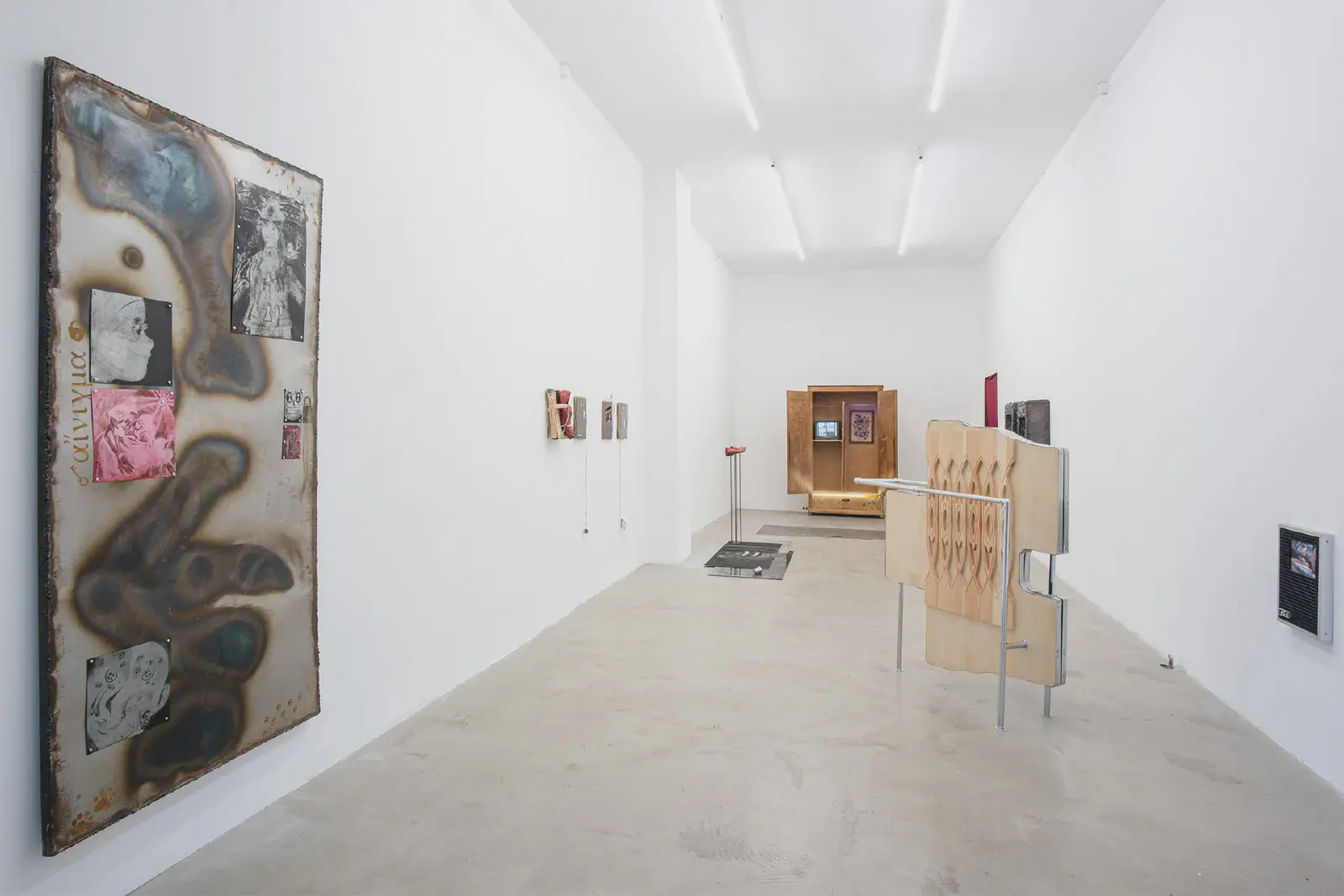 The Naphthalene Tapes (2026) — Nikola Stoyanov
Video installation presented in the Black Market exhibition at PUNTA Gallery, Sofia.
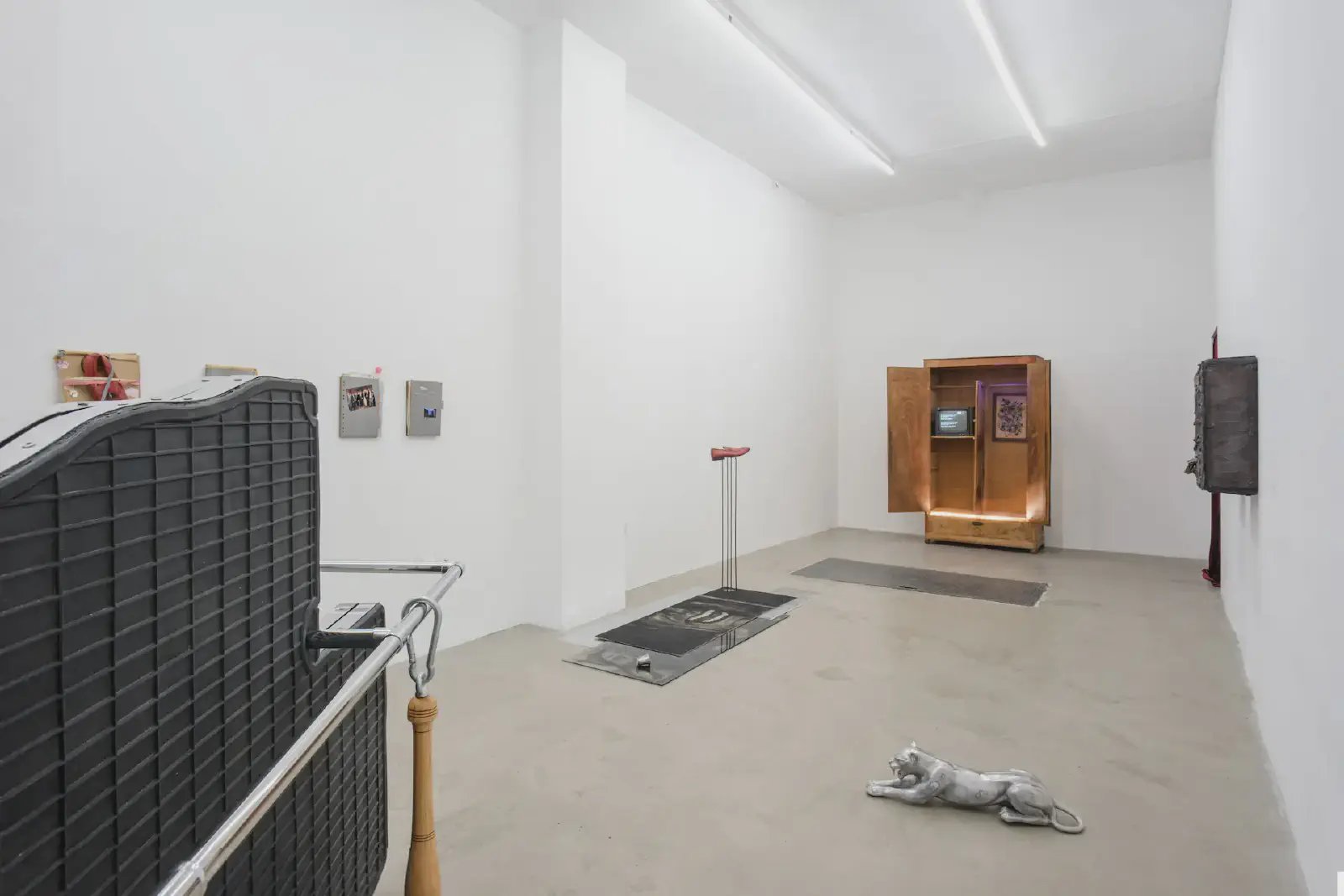 The Naphthalene Tapes (2026) — Nikola Stoyanov
Video installation presented in the Black Market exhibition at PUNTA Gallery, Sofia.
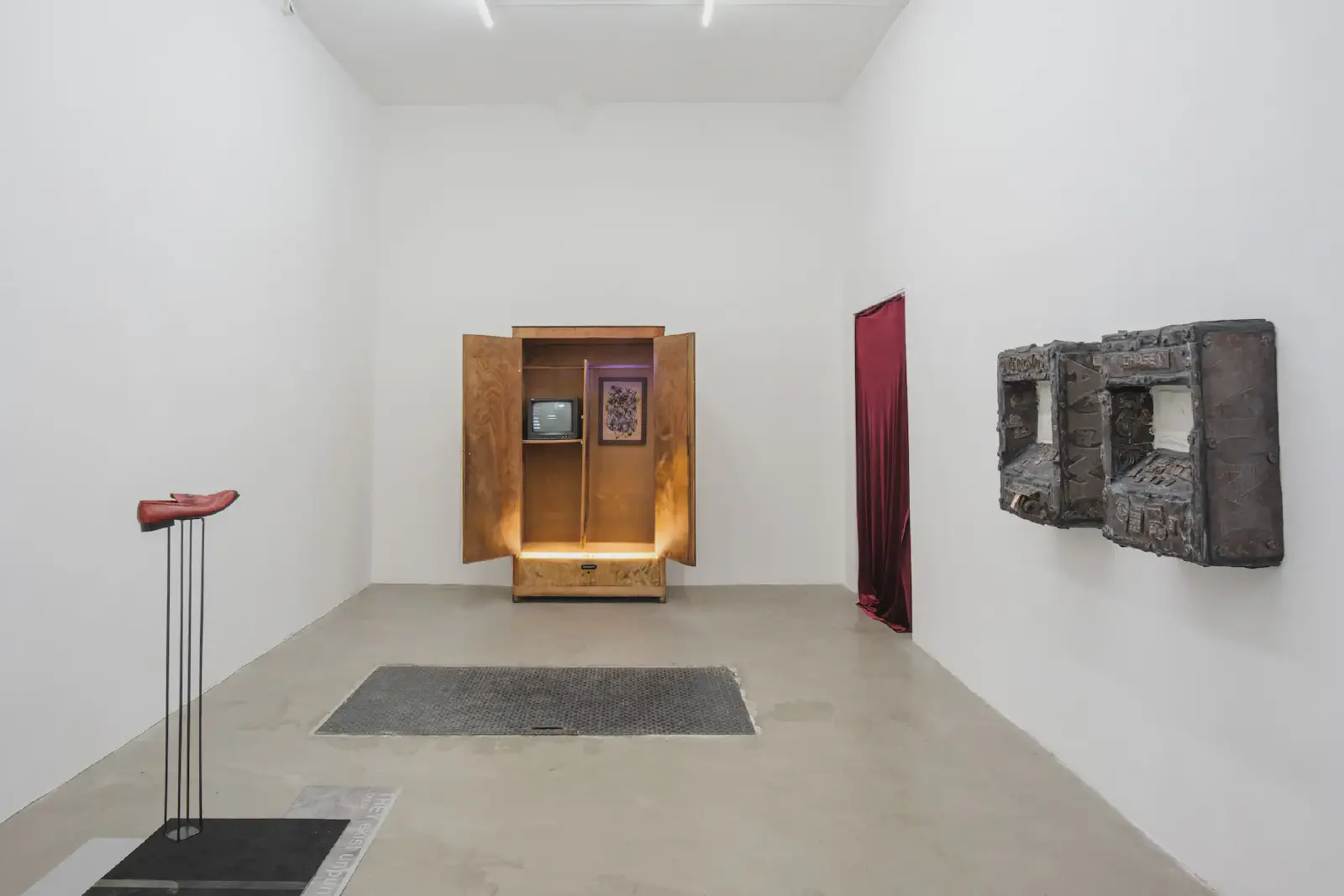 The Naphthalene Tapes (2026) — Nikola Stoyanov
Video installation presented in the Black Market exhibition at PUNTA Gallery, Sofia.
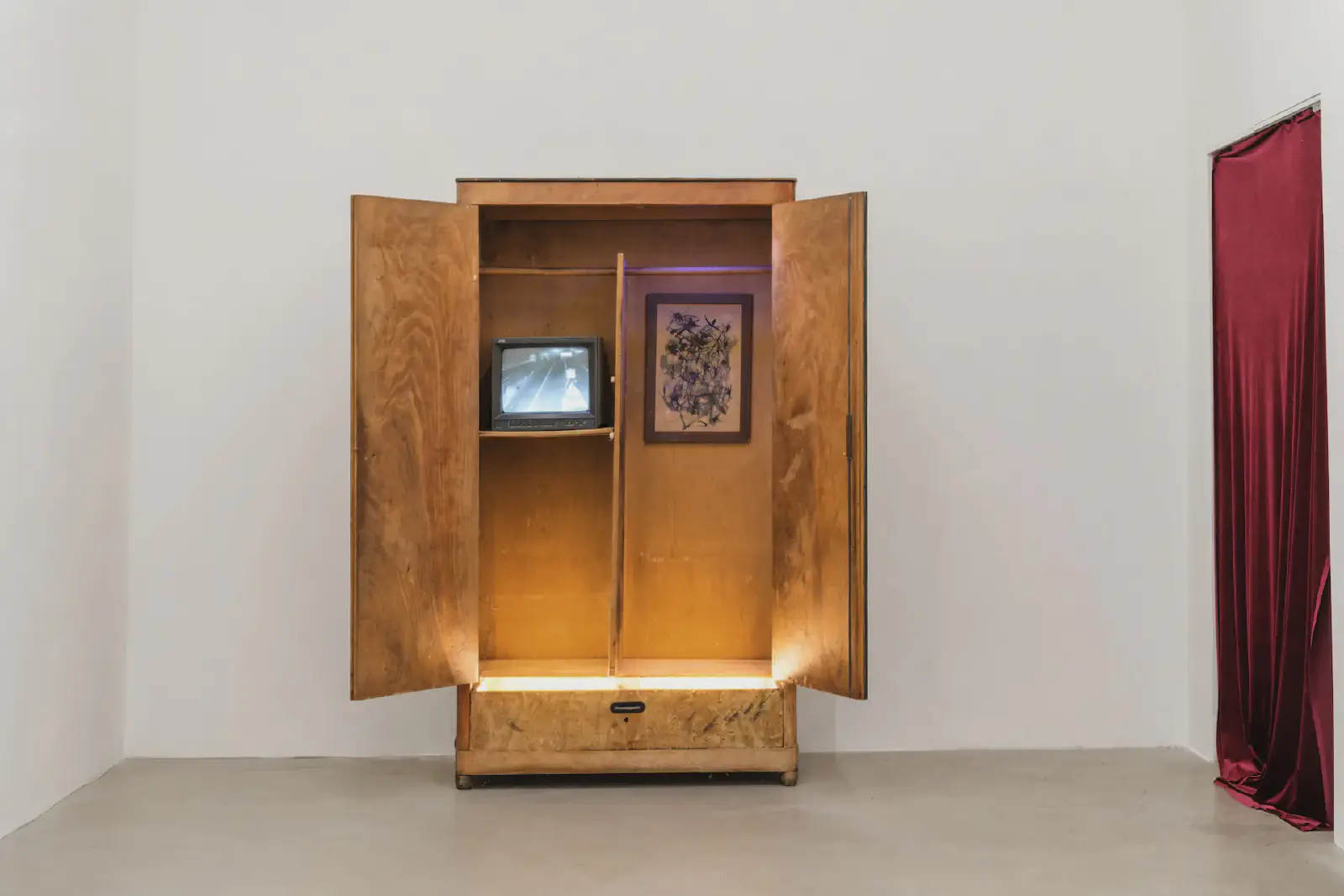 The Naphthalene Tapes (2026) — Nikola Stoyanov
Video installation presented in the Black Market exhibition at PUNTA Gallery, Sofia.
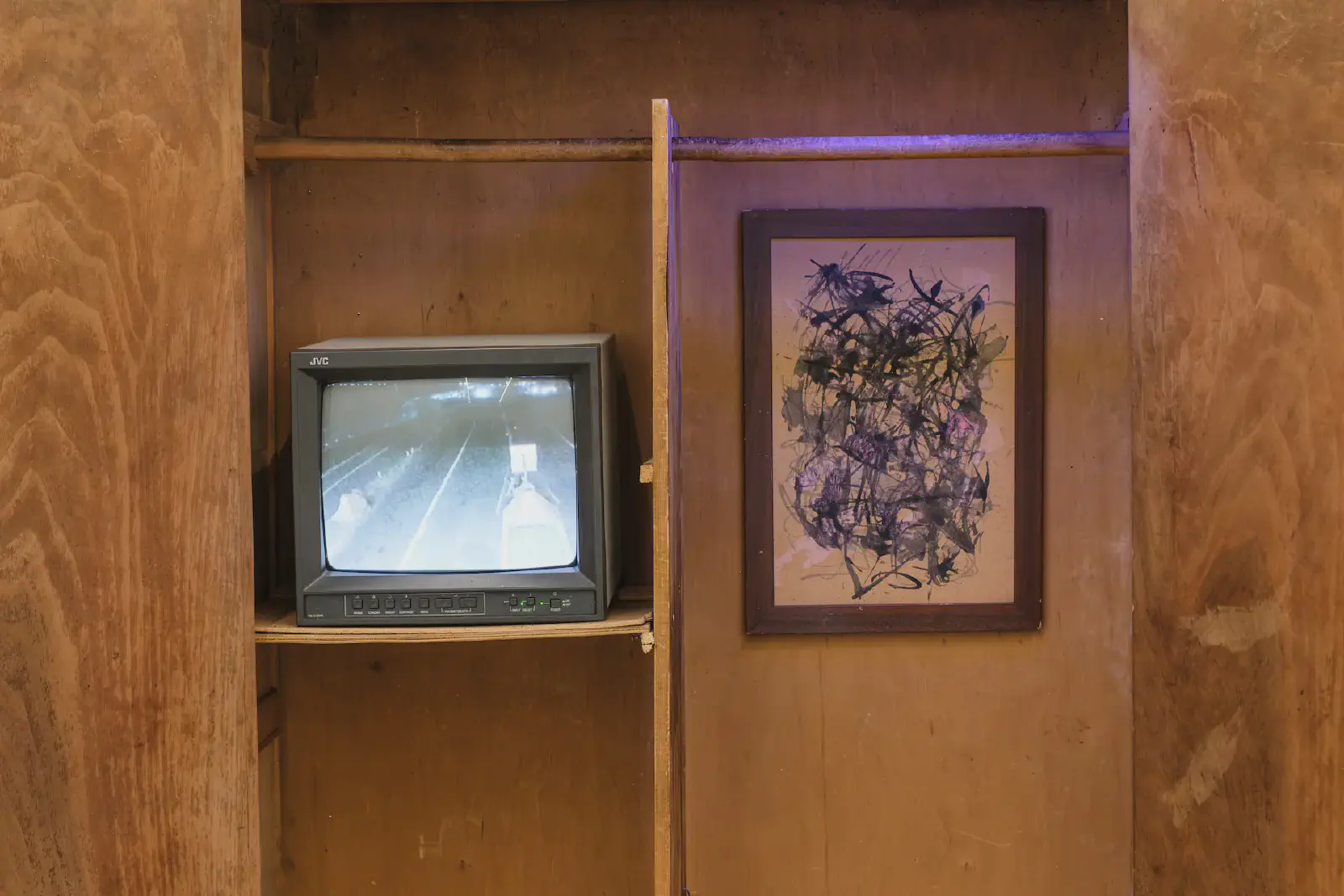 The Naphthalene Tapes (2026) — Nikola Stoyanov
Video installation presented in the Black Market exhibition at PUNTA Gallery, Sofia.
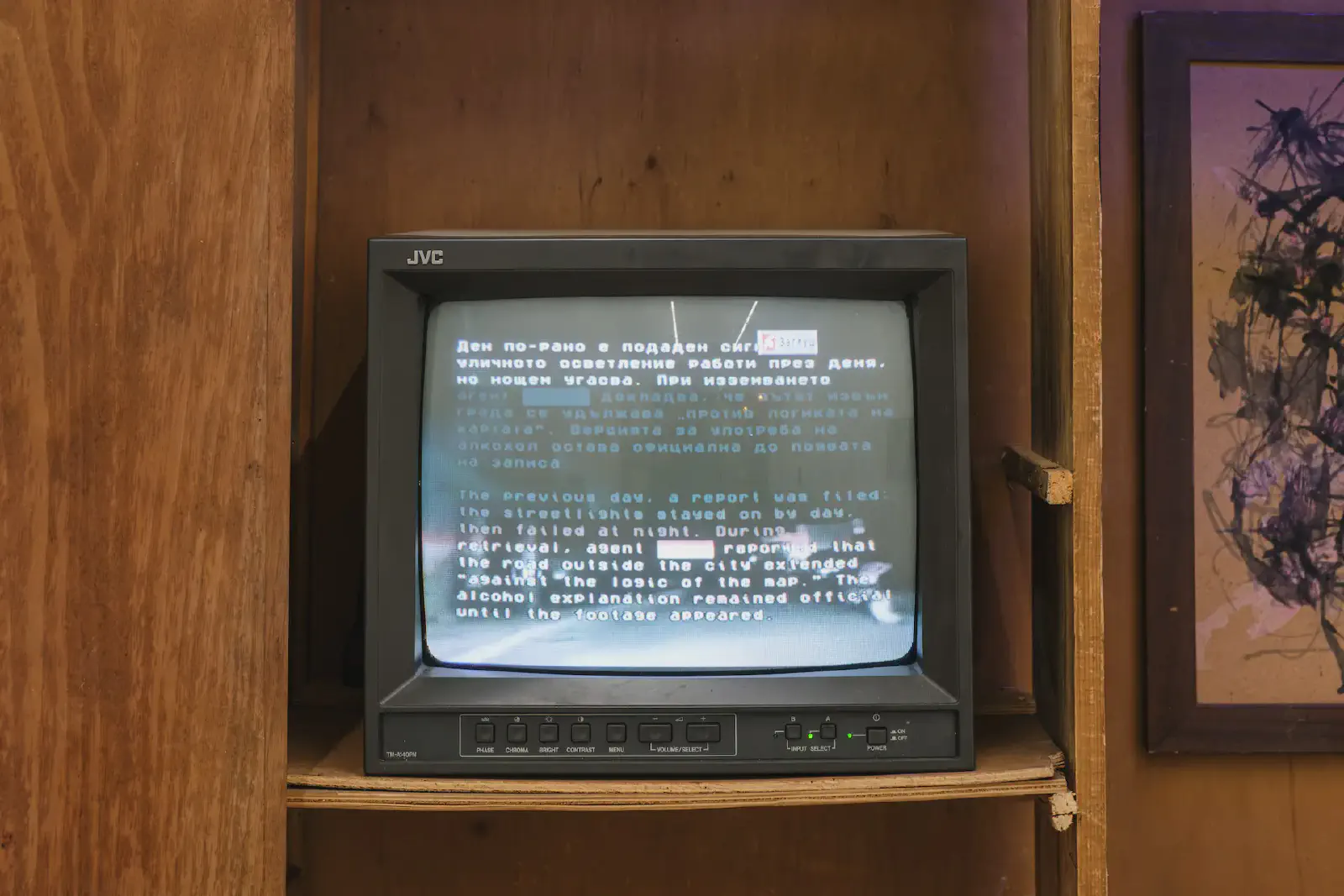 The Naphthalene Tapes (2026) — Nikola Stoyanov
Video installation presented in the Black Market exhibition at PUNTA Gallery, Sofia.
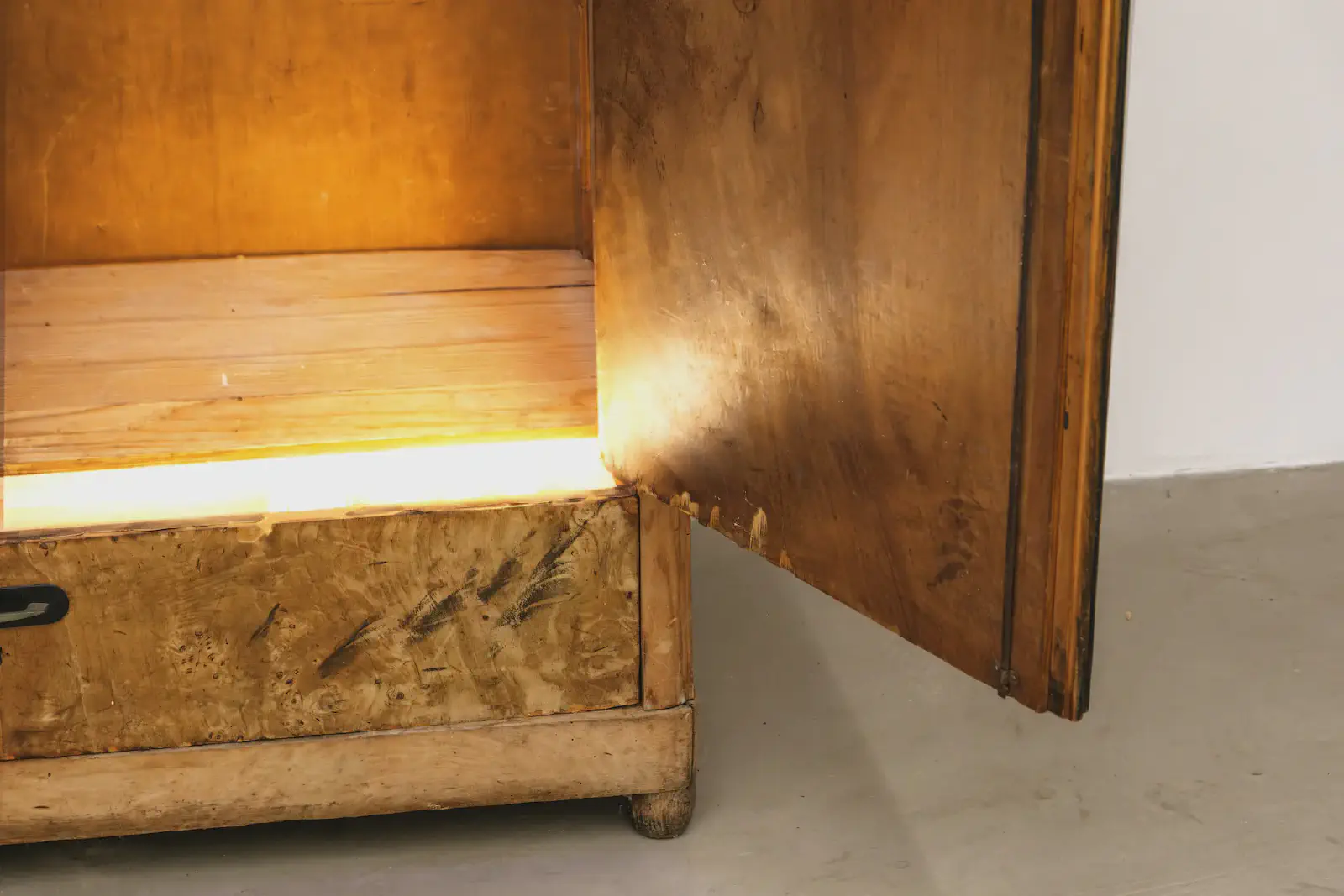 The Naphthalene Tapes (2026) — Nikola Stoyanov
Video installation presented in the Black Market exhibition at PUNTA Gallery, Sofia.
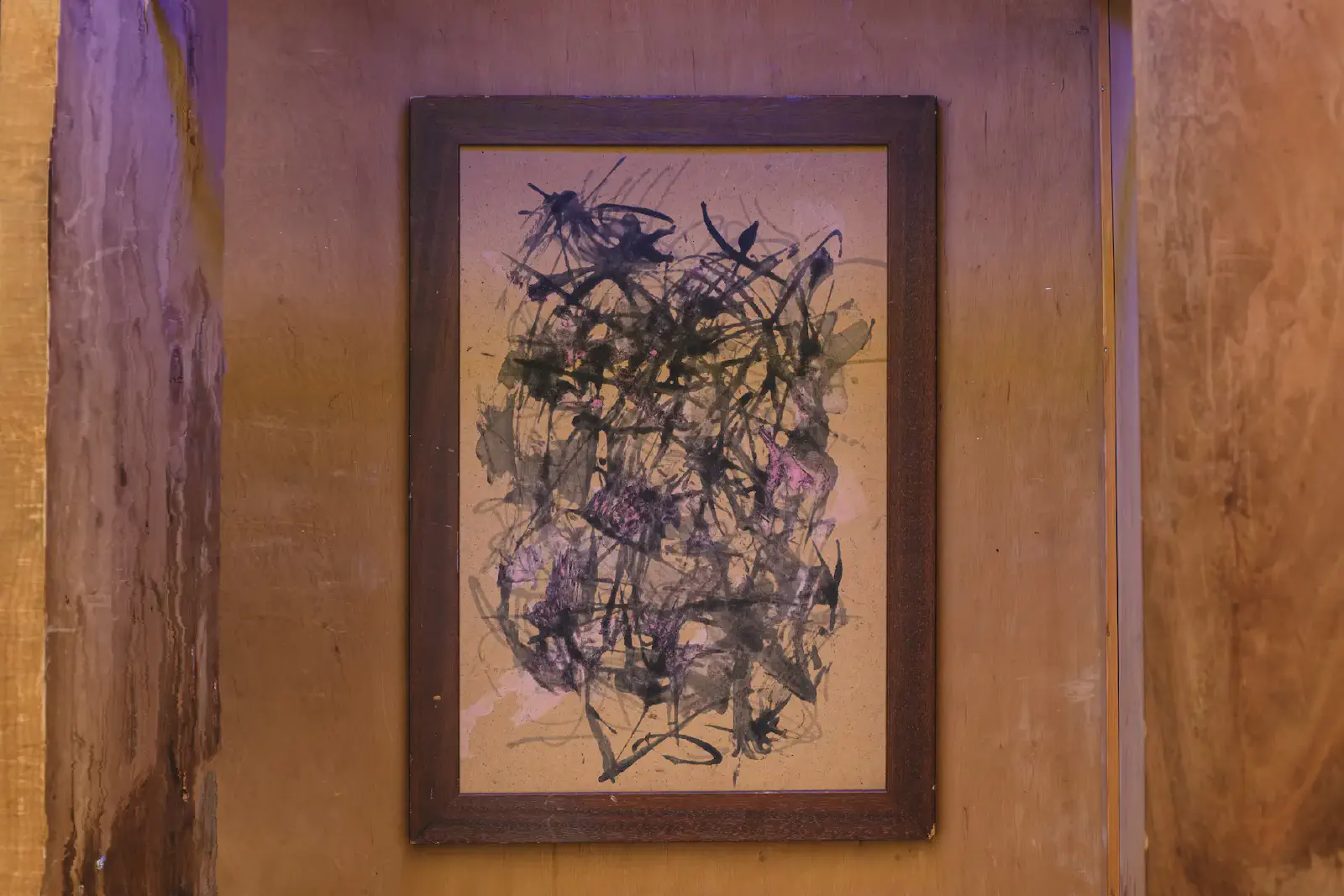 The Naphthalene Tapes (2026) — Nikola Stoyanov
Video installation presented in the Black Market exhibition at PUNTA Gallery, Sofia.