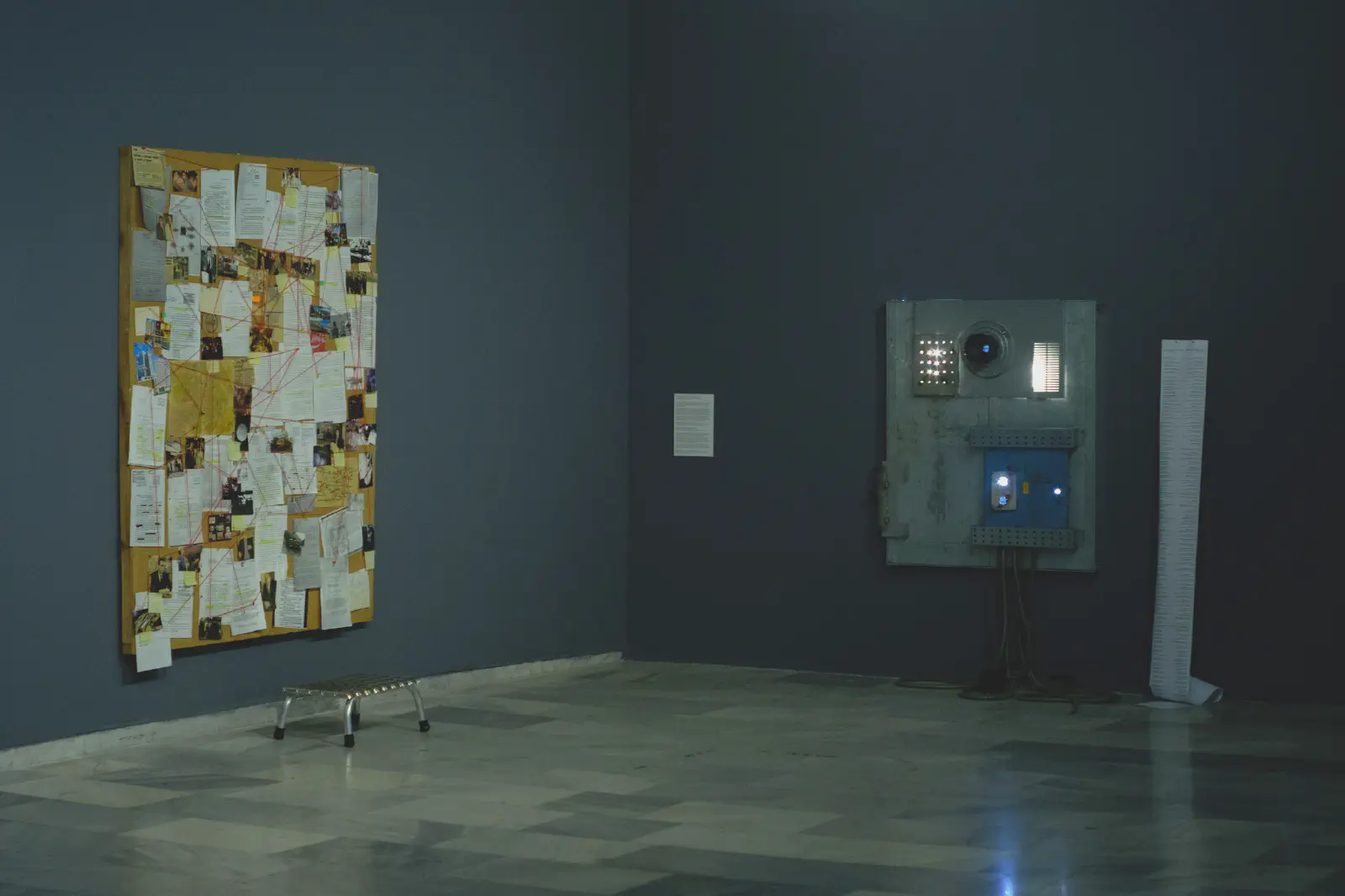
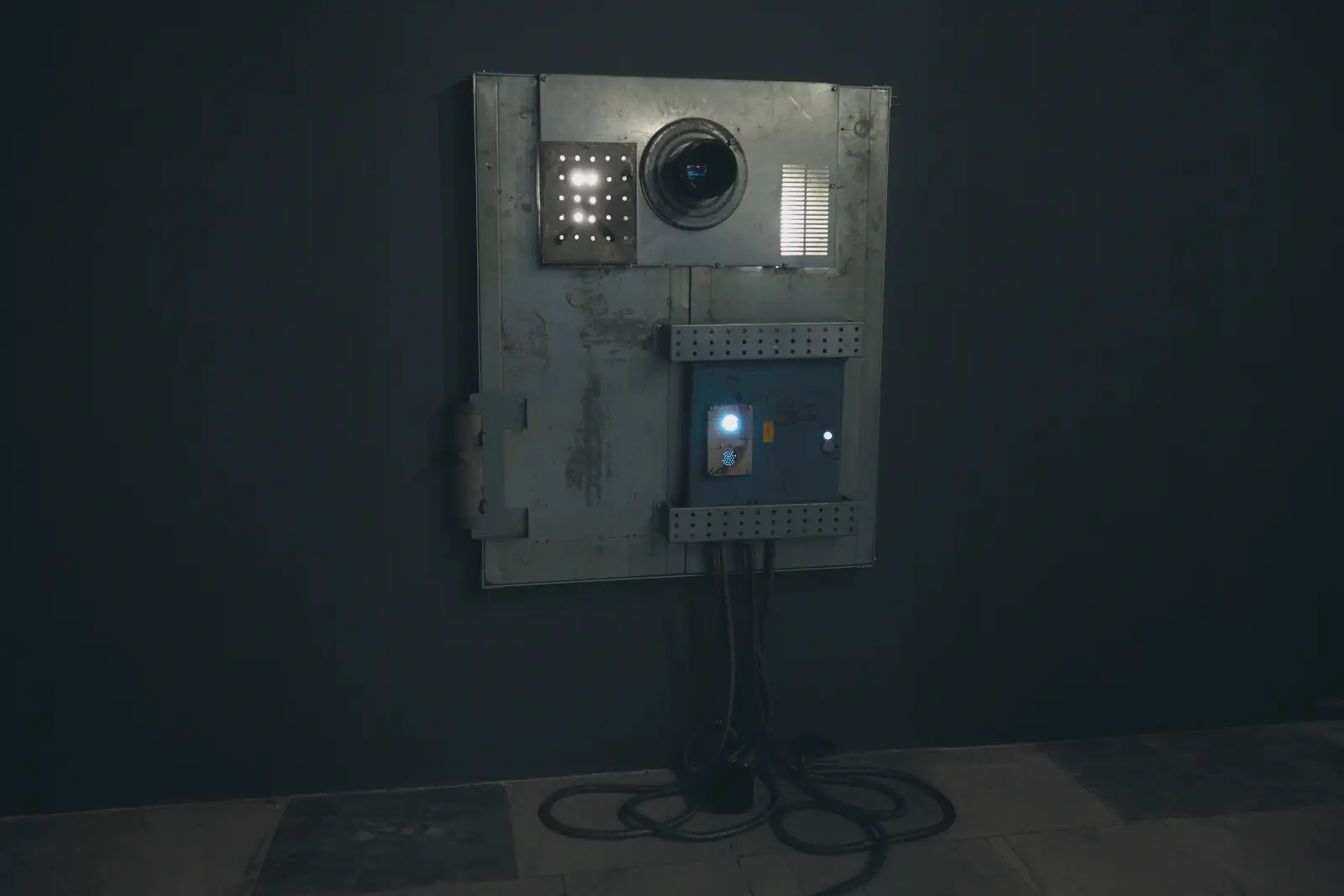
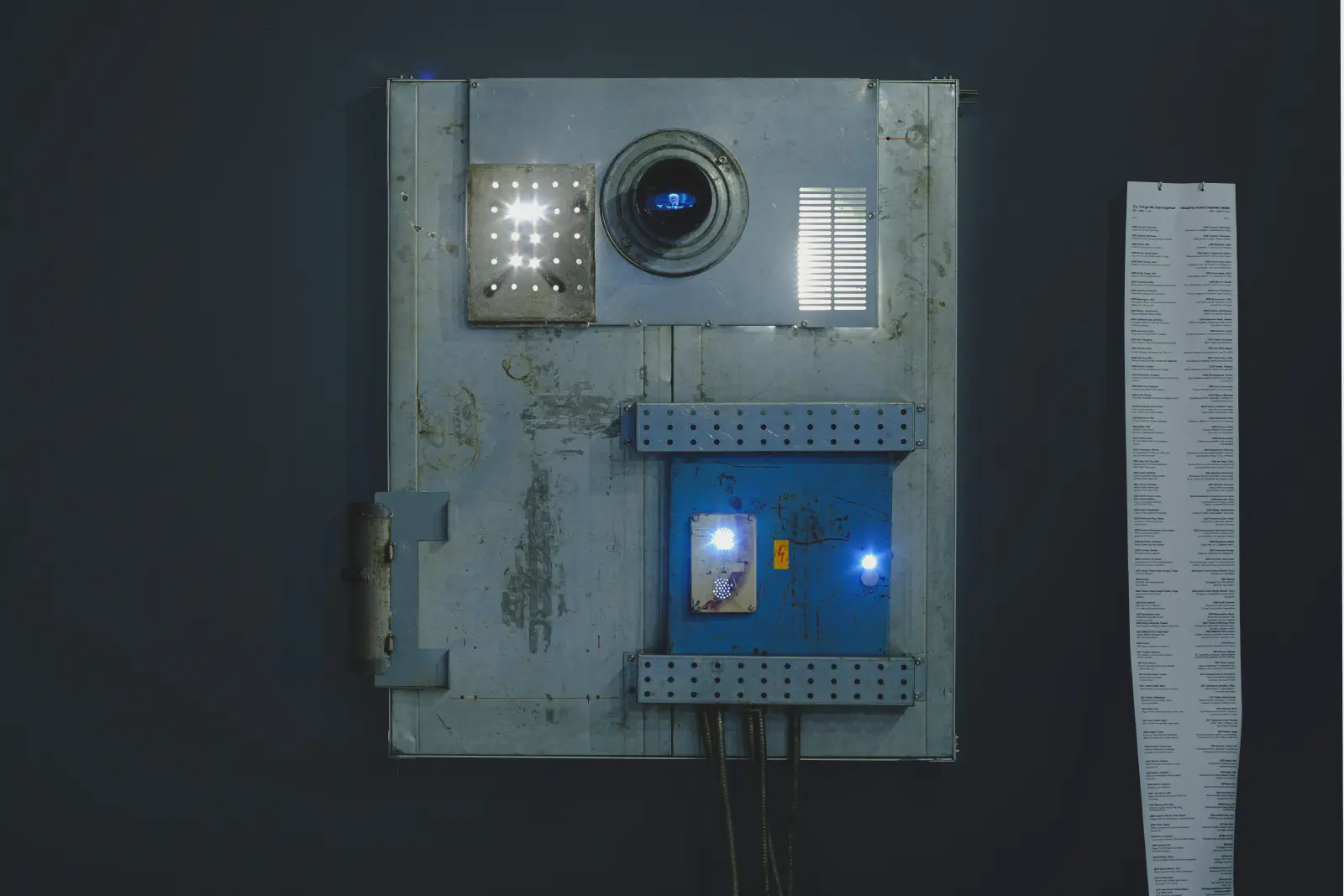
The things we saw together
part of BAZA 2026
Sofia City Art Gallery, Sofia
28.07-30.08.2026single-channel video
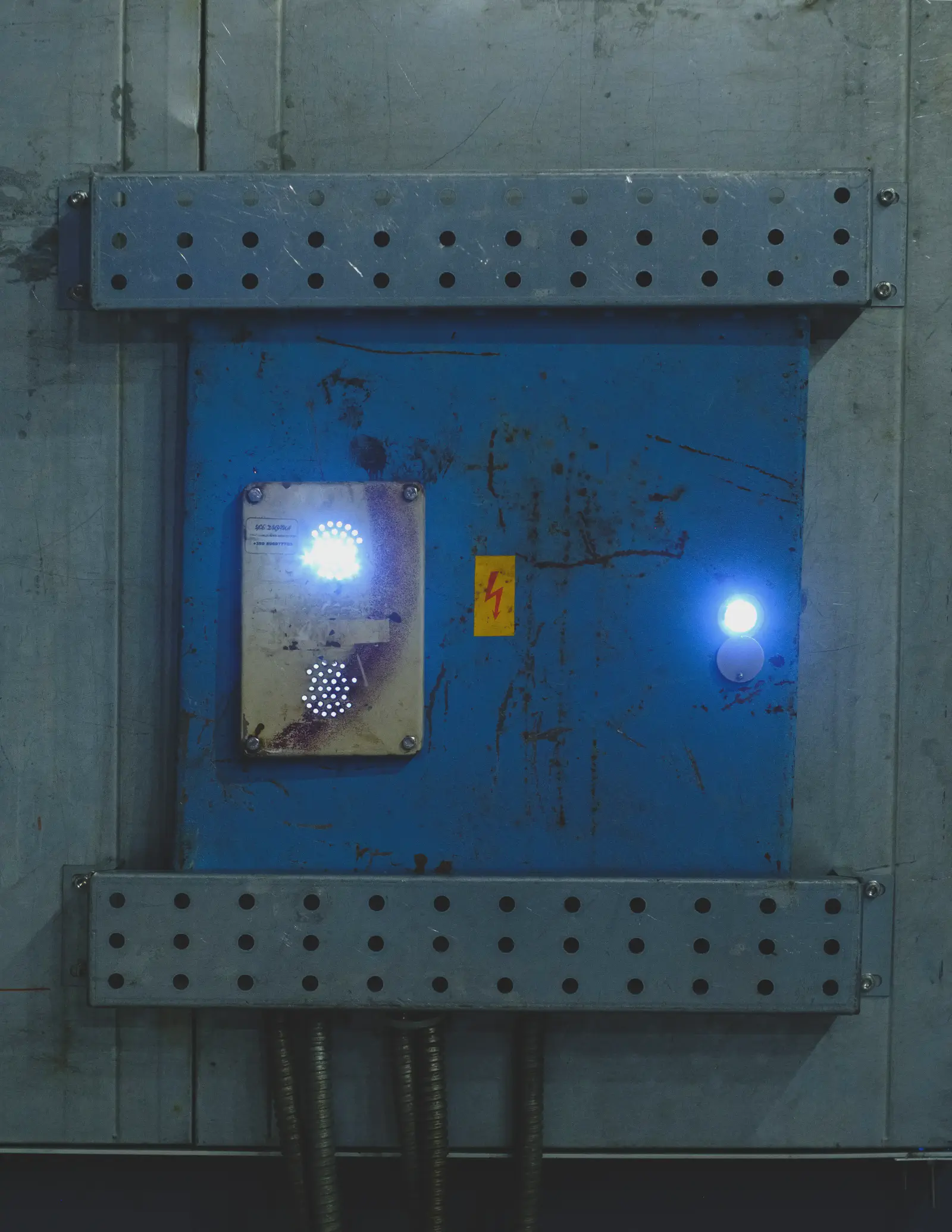
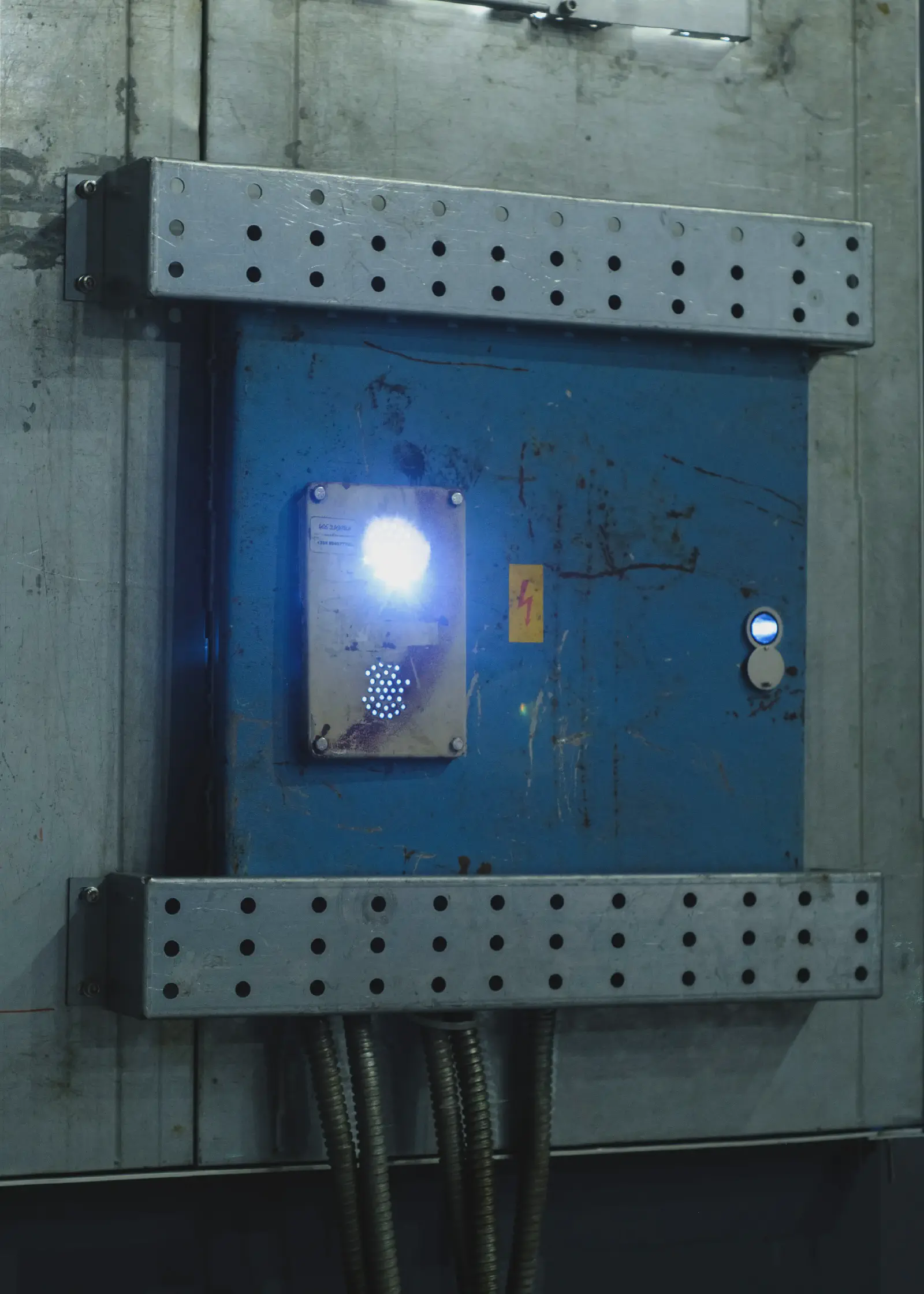
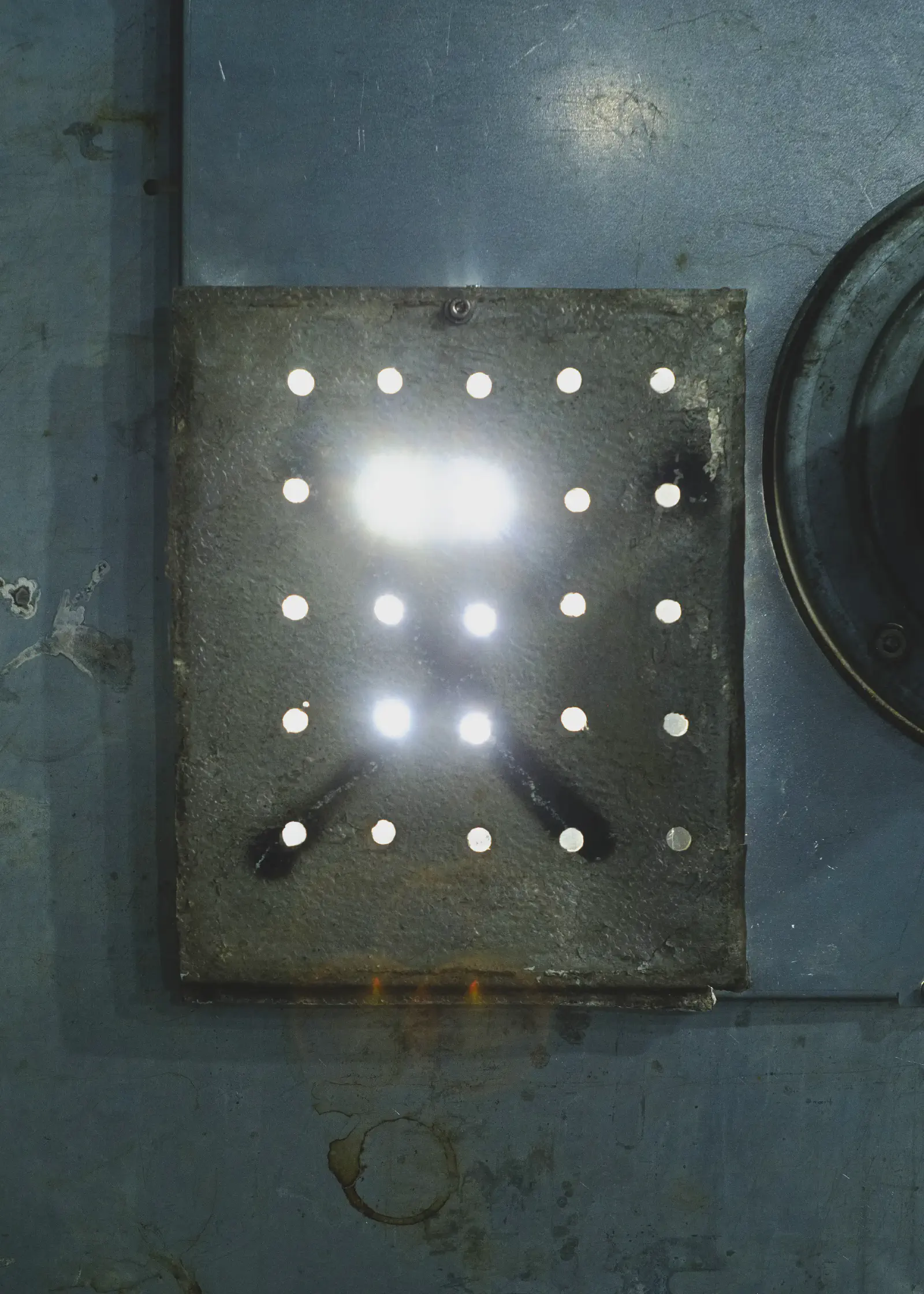
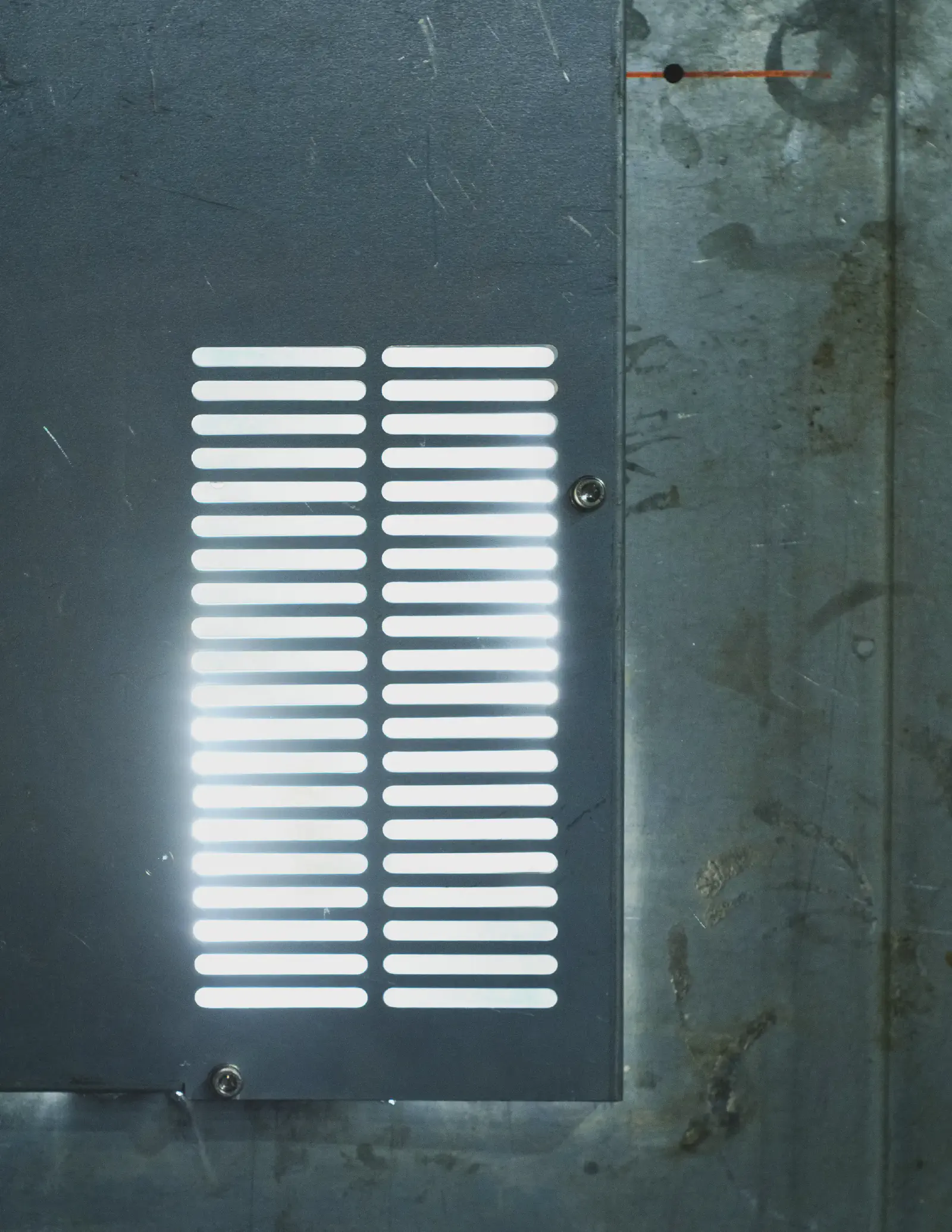
municipal scrap metal
peepholes
Soviet FMP-401 cinema lens
LED television
Martian Tabakov
Martin Atanasov
Sofia Dimova
Late-night LiveLeak visions of a twenty-four-hour news cycle circulate at the speed of now. An acceleration that has brought us eternally together: our past repeating, our future hurling us towards ever greater disasters.
Every camera, used the right way, can become a spy camera trained on a kaleidoscope world of self-assembling perspectives. Through the peephole of technology, public history becomes private. The world unfurls in real time in front of each incognito eye, alone yet still together. The eye becomes an organ of modernity and the camera, be it in space or on the ground, a world machine.
For Eisenstein and the Soviet avant-garde, meaning emerged through a collision of images, a fragmented reality that reveals the hidden rhythms of modern life. They treated the cut not as an interruption to be concealed but as a mechanism through which new meanings and emotions could be produced. Perhaps these filmmakers did not merely invent a collection of cinematic techniques, but uncovered a broader code for how fragmented images can be used to construct and interpret reality.
Today this code reappears in the visual language of short-form content. TikTok and similar platforms rely almost entirely on jump cuts, abrupt transitions, dynamic pacing and striking visual juxtapositions, producing a relentless sensory barrage in which editing itself becomes one of the defining conditions of viewing. These techniques compel the spectator to participate: meaning has to be continuously reconstructed from fragments.
The thing we saw together embodies this kind of constructivist aesthetics, a counter-necromantic move whose gambit is to produce a new conception of emotion through historic spam. Tracing 25 years of seminal events in the form of 30 second video clips, it incorporates the viewer as the catalyst for its arrival. It is tested in the hell-furnace not of Darwinian selection, but through a form of selection pressure native to memory.
The art piece co-opts the competitive sensibilities and velocity of online video editing.. Images of ordinary life, catastrophe, loneliness, politics, spectacle and internet detritus are woven into patterns of pure affect without the strict codification of a cinematic narrative or the argumentative structure of a video essay. Meaning emerges through collision, accumulation and recall.
The things we saw together operates within this same fragmented visual condition. The video assembles globally circulated images: catastrophe, political protest, technological spectacle, animal life and synthetic media. Removed from their original feeds and refracted through a Soviet lens, both literally and historically, they form neither an archive nor a history, but a genealogy of recent memory.
The contemporary feed can therefore be understood as a perpetual form of algorithmic montage. Every individual unit of content is preceded and followed by a swipe and a proceeding cut. A scrolling session becomes a theoretically never-ending film, stitched together not by a conventional director but by the algorithmic capture of cultural codes, shared trends and patterns of behavior.
Built from the discarded body of the city, The things we saw together views this feed as a post-cinematic contemporary peep-show: a travelling machine spectacle that no longer needs to travel, but instead stalks us. Wonders, catastrophes and the wreckage of an unfinished history arrive through the same aperture, endlessly recombined.
Just as early Soviet filmmakers understood montage as a way of shaping perception, contemporary visual platforms train the eye towards continuous reinterpretation. Our minds remain in a state of perpetual adaptation, searching for patterns and emotional coherence in streams of images whose connections may be political, algorithmic, accidental or entirely imagined.
Created following Nikola Stoyanov’s nomination for the BAZA 2026 Award for Contemporary Art, The things we saw together was presented alongside his earlier work The First Ten in the exhibition of the nominated artists at Sofia City Art Gallery.
Press
Bulgarian National Radio – Hristo Botev, Bulgarian News Agency